Wondering what is really moving home prices on Florida’s Space Coast right now? You are not alone. Whether you are buying your first place in Palm Bay, listing a Cocoa Beach condo, or relocating for work near the Cape, the market can feel complex. In a few minutes, you will understand the core trends shaping inventory, demand, pricing, and the practical steps you can take to buy or sell with confidence. Let’s dive in.
Space Coast at a glance
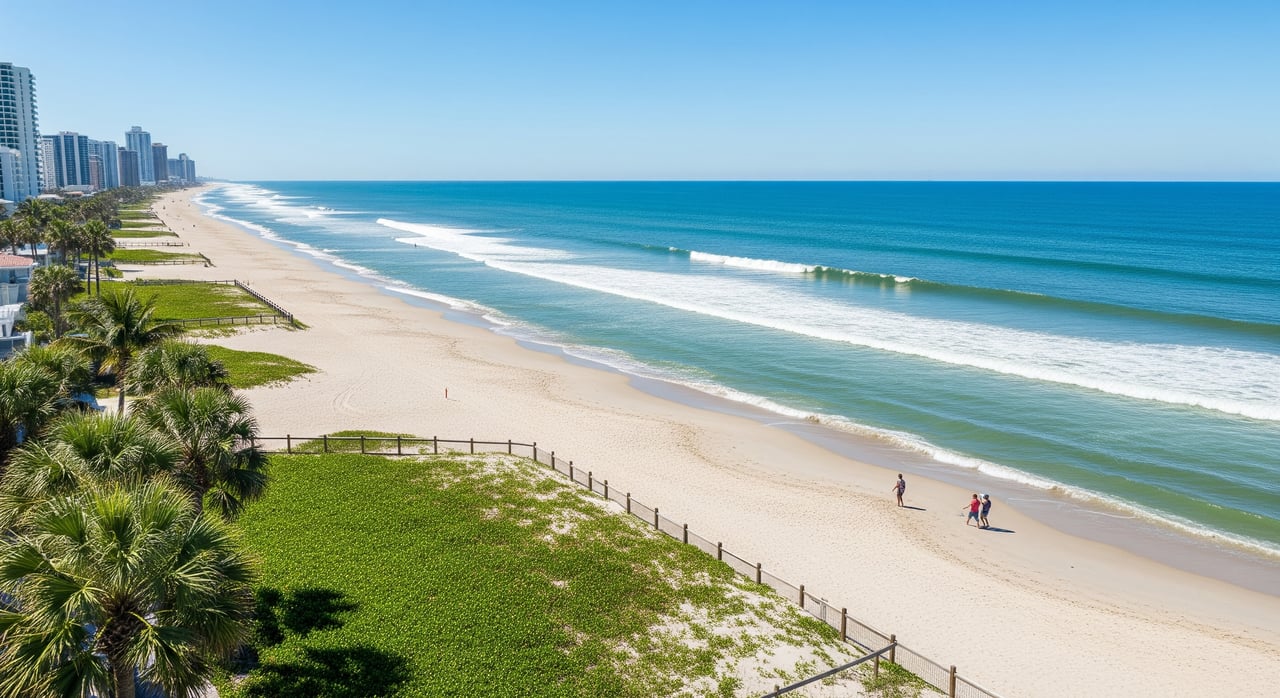
The Space Coast generally refers to all of Brevard County, from Titusville in the north through Cocoa and Cocoa Beach, Merritt Island and Cape Canaveral, and south to Melbourne and Palm Bay. It is a diverse market with three broad subareas.
- Barrier islands and coastal beaches: higher amenity demand, strong condo presence, and more exposure to wind and flood risk.
- River and lagoon neighborhoods (including Merritt Island): a mix of waterfront single-family homes with features like docks or seawalls that can materially affect value.
- Inland and suburban areas: more affordable single-family homes and newer subdivisions where most new construction occurs.
Buyer profiles range from retirees and seasonal residents to aerospace and defense professionals, service workers, remote workers, and investors seeking second homes or short-term rental opportunities. Each group behaves differently at different times of year, which influences pricing and time on market.
Supply: where inventory comes from
Space Coast inventory moves for a few clear reasons.
- New construction: Most new single-family building happens inland where land is available. Coastal building is more constrained by lots and permitting. When inland construction ramps up, it can ease pressure on resale prices in some submarkets.
- Turnover rates: Coastal and tourist areas often see more investor and second-home turnover. Family neighborhoods may turn over more slowly. That difference affects months supply and pricing power.
- Seasonal swings: Listings tend to rise in fall and winter when seasonal owners pivot and snowbird traffic returns. Inventory can tighten in late spring and summer when short-term rental owners focus on bookings.
If you track one metric, watch months supply of inventory. Low supply usually favors sellers. Higher supply increases buyer leverage. Exact figures vary by city and property type, so drill down when you plan your move.
Demand: rates, jobs, and migration
Mortgage rates are the fastest-moving force in demand. When rates rise, purchasing power shrinks and some first-time or move-up buyers pause. When rates ease, more buyers reenter, especially those trading up or relocating from higher-cost metros. If you are financing, run updated scenarios with your lender as rates shift.
Local employment also matters. The Space Coast economy includes NASA’s Kennedy Space Center, commercial launch providers and contractors, Port Canaveral and marine businesses, health care systems, retail and services, and nearby military installations such as Patrick Space Force Base and Cape Canaveral Space Force Station. Higher-paying aerospace and defense jobs support demand and can help prices stay resilient, though these sectors can be cyclical.
Migration keeps the pipeline active. Retirees are drawn to Florida’s tax and lifestyle benefits but watch insurance and flood costs closely. Remote workers value the coastal lifestyle and proximity to Orlando and the airport for travel. VA loan usage is often higher near military bases, which influences financing patterns and timelines.
Insurance, flood, and risk
Hurricane, wind, and flood exposure are central to housing decisions on the Space Coast. Barrier islands, low-lying river and lagoon areas, and marsh-adjacent neighborhoods have broader flood risk profiles. Lenders require flood insurance for properties in Special Flood Hazard Areas based on FEMA flood maps. Even outside those zones, buyers often review coverage options to understand long-term carrying costs.
The homeowners insurance market in Florida has seen premium increases and changes in underwriting. Coastal properties often face higher wind deductibles. Some homeowners rely on Citizens Property Insurance Corporation when private options are limited. After active storm seasons, reinsurance costs can influence local premiums.
You can often improve insurability and costs by focusing on:
- Wind-mitigation features, roof age, and roof construction details.
- Elevation certificates and any floodproofing improvements.
- Condo association master policies and reserves for building maintenance.
For buyers, the key is to check insurance early. For sellers, highlighting mitigation and documentation can reduce buyer concerns and speed up underwriting.
Space and military economy: real impacts
Launches get headlines and attract talent. Contractors, engineers, and technical staff bring incomes that support housing demand near job centers. New facilities and program awards can create bursts of hiring that ripple into nearby rental and for-sale markets. Military bases provide steady employment through active duty, civilian roles, and contractors. That stability supports year-round housing activity and VA-backed financing.
These industries can be cyclical. Hiring ramps when programs expand and slows when funding or launch cadence changes. It helps to watch employment reports, not just launch schedules, when you plan a purchase or sale timeline.
Prices and what to watch
You can read the market through a few core metrics:
- Median or average sale price: shows overall price direction. Compare 12- and 24-month windows to see trend and seasonality.
- Price per square foot: useful for comparing submarkets, especially waterfront versus inland.
- Active listings, pending sales, and closed sales: indicate current pipeline strength.
- Months supply and days on market: reveal balance. More supply and longer days signal more room to negotiate.
- List-to-sale price ratio: shows how close sellers are landing to asking.
- Building permits: a forward look at future supply, particularly inland single-family.
Appraisals can be nuanced on the coast. Comparable selection must account for waterfront access, elevation, dock or seawall features, and association health for condos. Recent storm repair history also matters. If you are buying a unique property, expect a careful appraisal and allow time in your contract for that process.
Buyer playbook for the Space Coast
Use a simple plan to avoid surprises and win the right home.
- Get insurance quotes early. Ask for scenarios with and without wind mitigation and different deductibles. Confirm flood zone status and estimated flood premiums.
- Clarify submarket differences. Barrier-island condos carry HOA and master policy considerations. Inland single-family homes may offer lower premiums and newer construction.
- Align financing with the property. VA and FHA rules can affect flood and condo approvals. Build appraisal time into your offer.
- Ask about the roof and mitigation. Features like hurricane straps and roof age can reduce long-term costs.
- Watch seasonal timing. If you want beach access, fall and winter can bring more options. If you want a suburban home, you may see steadier year-round activity.
Seller strategies that work
Small steps can protect your price and days on market.
- Document mitigation. Share roof certifications, wind-mitigation reports, and elevation certificates to calm insurance concerns.
- Prep condo paperwork. Make sure association financials and master policies are current and easy to review. Lenders scrutinize these more closely today.
- Time the market thoughtfully. Coastal listings often benefit from snowbird season exposure. Inland listings may track local buyer calendars more closely.
- Lead with presentation. Strong visuals, clear features, and precise pricing help your listing stand out across the Space Coast’s varied submarkets.
Property type and location choices
Choosing between a beachside condo and an inland single-family home means balancing lifestyle, costs, and risk.
- Barrier-island condos: easy access to sand and surf, often with amenities. Weigh HOA assessments, master insurance coverage, and storm exposure.
- River and lagoon homes: waterfront lifestyle with features like docks. Consider elevation, seawall condition, and wind coverage.
- Inland single-family homes: more new construction and often lower insurance costs. Larger lots and garages are more common.
Each option can fit a different lifestyle or investment goal. Ask early about insurance, HOA rules, maintenance needs, and rental policies so you can compare apples to apples.
Work with a local pro
When a market is this diverse, local knowledge and fast execution matter. As a third-generation Space Coast local and top producer with Keller Williams Space Coast, Waylon Duff blends deep neighborhood insight with premium marketing that includes a modern website experience, MLS/IDX search, virtual tours, and property video. You get responsive communication, negotiation focused on measurable outcomes, and the versatility to navigate condos, single-family, luxury, multifamily, and acreage.
Thinking about your next move on the Space Coast? Get Your Free Home Valuation and see how your property fits the current market.
FAQs
How do mortgage rates affect Space Coast home prices?
- Higher rates reduce buyer purchasing power and can slow demand, while lower rates often bring buyers back and support stronger pricing.
What should Space Coast buyers know about flood zones?
- Lenders require flood insurance for homes in Special Flood Hazard Areas, so check FEMA maps and request elevation certificates before you make an offer.
Are homeowners insurance costs rising on the Space Coast?
- Florida has experienced premium increases and changing underwriting, especially in coastal zones; mitigation, roof condition, and policy shopping can help manage costs.
Does the space industry reliably support Brevard housing demand?
- Space and defense bring higher-paying jobs that support demand, but hiring can be cyclical, so track employment data in addition to launch headlines.
When is the best season to list a coastal condo in Brevard?
- Many coastal listings see stronger interest in fall and winter when seasonal residents shop; inland single-family activity can be steady year-round.
What should I review before buying a Space Coast condo?
- Review the association’s master insurance, reserves, budgets, and any recent or planned assessments, along with wind and flood coverage for the building.