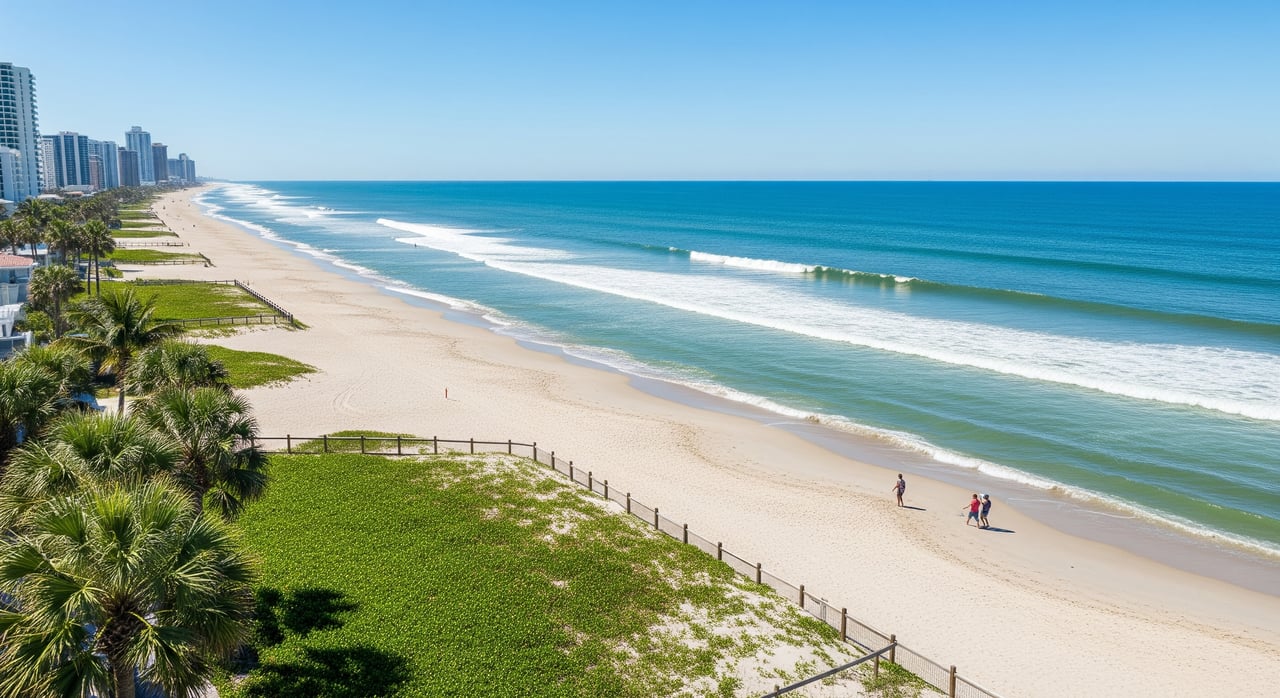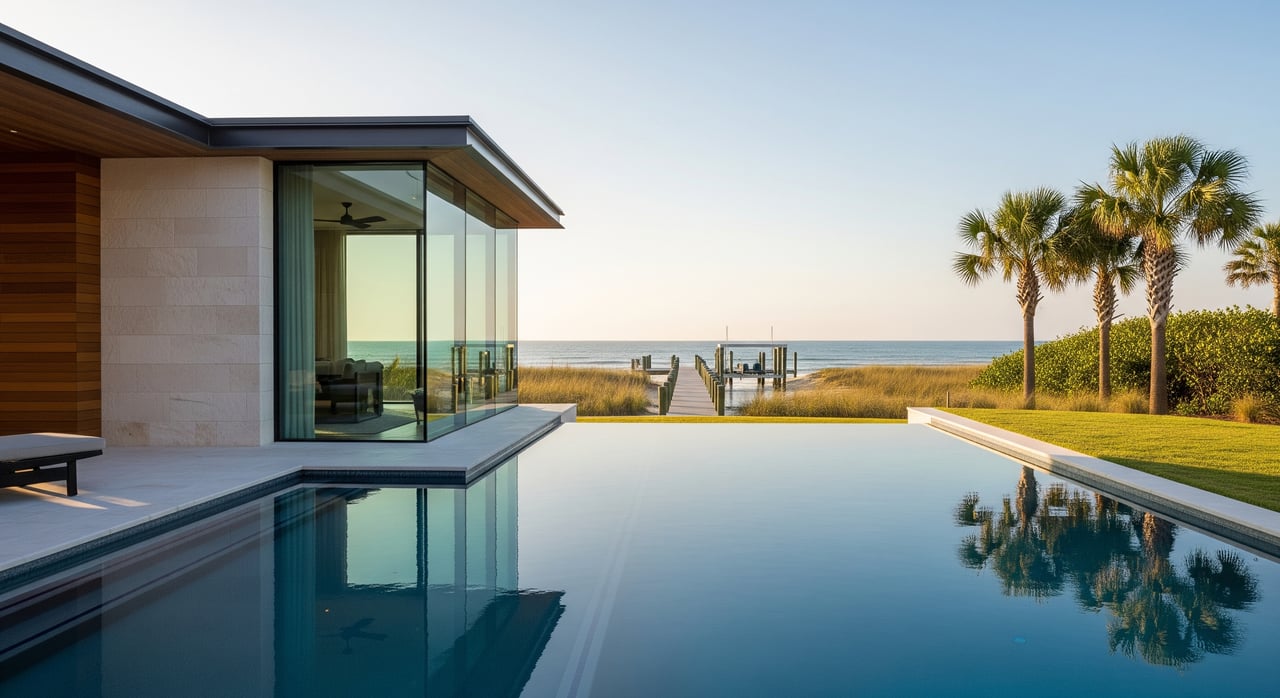
Storms, sunny-day tides, and salt air can be hard on Space Coast homes. If you live near the ocean, a river, or a canal in Brevard County, you want upgrades that actually reduce risk and hold up over time. In this guide, you’ll learn which renovations deliver the most protection, how local permits work, and where to check your property’s flood and wind exposure. You’ll also get a simple step-by-step roadmap to move from idea to inspection. Let’s dive in.
Know your flood and wind risk
Before you plan work, check your property’s current and future exposure.
- Start with FEMA’s Flood Map Service Center to find your flood zone and Base Flood Elevation. Use it to see if you are in an A, AE, or V/VE zone. Search your address on FEMA’s map center.
- Look ahead using NOAA’s Sea Level Rise Viewer to understand how tidal flooding and surge could change over time. Explore local sea level scenarios.
- Confirm local rules and any Community Rating System benefits through Brevard County’s Floodplain Administration. Review county floodplain information.
Permits and rules that shape your plan
Brevard County follows federal, state, and local standards that affect coastal renovations.
- FEMA and the National Flood Insurance Program set elevation, flood vent, and “substantial improvement” rules for homes in Special Flood Hazard Areas. These rules influence design and insurance.
- Florida’s Coastal Construction Control Line applies to sandy beachfront parcels. If your home is seaward of the CCCL, you will likely need a Florida DEP permit and must follow coastal-specific design standards. Check CCCL status and guidance.
- Local building and floodplain permits are required for additions, elevation projects, and foundation changes. The county code sets minimum lowest-floor elevations and lot drainage standards. Coordinate early with your municipal or county office. See Brevard’s floodplain resources.
Coastal-proof upgrades that work here
Flood risk: keep water out, recover faster
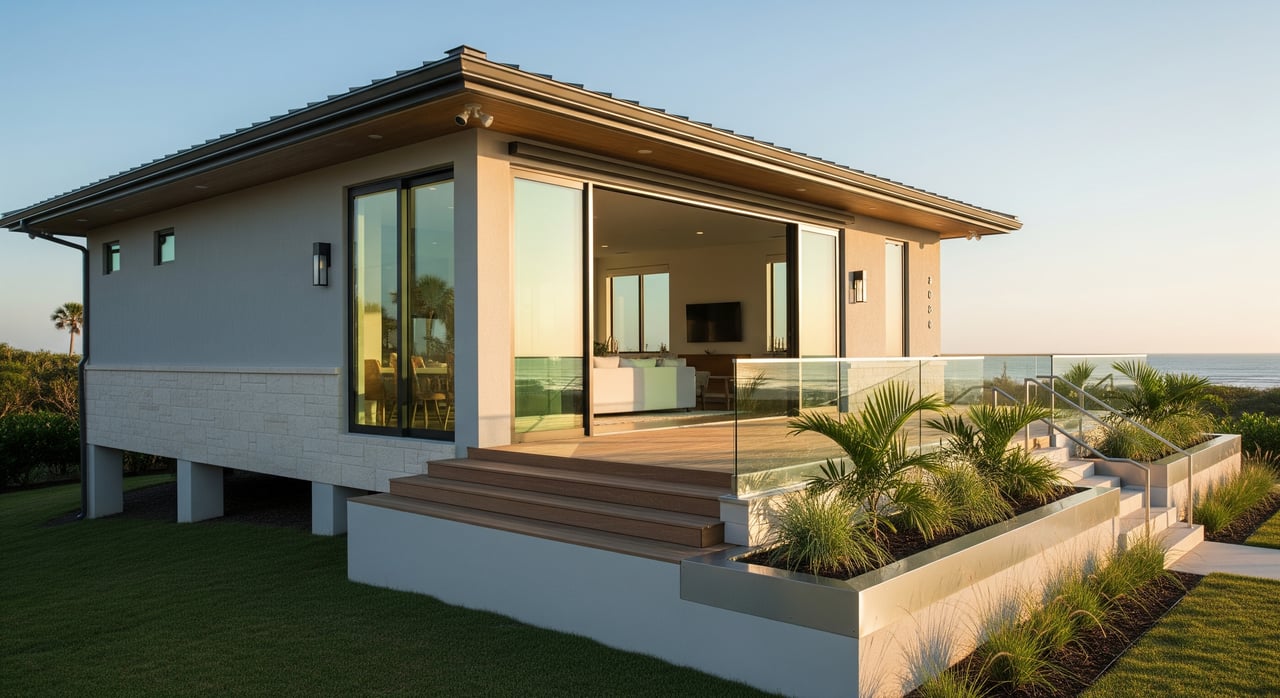
- Elevate the living space. Setting the lowest finished floor at or above the design flood elevation can reduce flood damage and may lower insurance costs. Local code requires minimum elevations and often benefits from added freeboard.
- Use wet-floodproofing below elevated areas. If you have enclosed space below your living area, include engineered flood openings, limit use to parking or storage, and choose flood-damage-resistant materials. See guidance on flood-resistant enclosures.
- Elevate and protect utilities. Move HVAC, electrical panels, and water heaters above the flood level or place them in protected enclosures to speed recovery and avoid major losses.
- Choose flood-hardy finishes. Favor tile, concrete, treated lumber, stainless fasteners, and other resistant materials below the flood level. Review flood-damage-resistant materials.
- Improve site drainage. Maintain positive grading, direct downspouts away from the foundation, and follow local stormwater requirements.
Wind hardening: reduce hurricane damage
- Strengthen roof-to-wall connections. Install code-compliant hurricane straps and upgrade sheathing nailing patterns. A secondary water barrier under roofing helps limit water intrusion. Learn core wind-mitigation practices.
- Upgrade openings. Use impact-rated windows or certified shutters, and install a wind-resistant garage door. The garage door is a common failure point.
- Explore state incentives. Florida’s My Safe Florida Home program has offered inspections and grants that can offset costs for wind hardening. Availability changes, so confirm the latest status. Check current program news.
Shoreline practices: protect edges wisely
- Consider living shorelines. In many lagoon and river settings, living shorelines with native plantings, oyster elements, or rock sills can reduce erosion and improve habitat. They are often favored over new vertical seawalls. See Florida Sea Grant’s overview.
- Plan dune work carefully. On the oceanfront, dune restoration and beach-related work require careful timing and permits within CCCL areas. Review CCCL basics.
Septic, sewer, and water quality
- Coordinate on septic-to-sewer opportunities. Floods can overwhelm septic systems, creating health risks. Brevard’s Save Our Lagoon program expands sewer in key areas. If a connection is planned near you, it can be a resilience win. See sewer project updates.
Insurance, documentation, and resale
- Understand FEMA’s Risk Rating 2.0. Elevation, distance to water, and mitigation can affect your flood premium more directly now. After major upgrades, get an Elevation Certificate and share it with your insurer. Learn how Risk Rating 2.0 works.
- Keep a clean paper trail. Save permits, elevation certificates, wind-mitigation reports, and product approvals. These documents can support insurance discounts and help buyers value your upgrades.
Step-by-step renovation roadmap
- Check your exposure and rules
- Look up your flood zone and BFE on FEMA’s map and explore future scenarios on NOAA’s viewer. Confirm local permitting requirements with Brevard’s Floodplain Administration. Start with FEMA and NOAA’s viewer.
- Get professional assessments
- Hire a licensed surveyor to establish current elevations, a structural engineer to assess foundations or elevation feasibility, and a contractor experienced in coastal work. Schedule a wind-mitigation inspection for insurance credits.
- Submit permits and plans
- File building and floodplain permits with the city or county. If seaward of the CCCL or working near wetlands or dunes, coordinate with Florida DEP first. Review CCCL guidance.
- Build for resilience
- Install flood openings where required, elevate utilities, use flood-hardy materials, and complete roof and opening upgrades per approved details. Use FEMA-aligned material guidance.
- Close out and update insurance
- Obtain final inspections and an Elevation Certificate if applicable. Provide your insurer with documentation of mitigation to pursue premium credits.
Mistakes to avoid
- Relying on historic floods alone. Use future sea level scenarios along with FEMA maps to plan long-lived projects.
- Adding living space below the flood level. Keep below-elevated areas for parking or storage, and include code-compliant flood openings.
- Skipping permits for shoreline work. New seawalls may be limited in estuarine areas. Living shoreline options often permit more readily.
- Overlooking the garage door. A weak door can allow wind to pressurize the home and cause major roof loss.
Upgrading for coastal conditions protects your investment, reduces recovery time, and can improve insurance outcomes. If you are weighing which projects will matter most for resale or long-term ownership, connect with a local advisor who knows Space Coast properties and permitting inside and out. For guidance aligned to your address and goals, reach out to Waylon Duff for a quick, practical plan.
FAQs
What should I check first before renovating a coastal home in Brevard?
- Confirm your FEMA flood zone and BFE, review future flood scenarios on NOAA’s viewer, and speak with Brevard’s Floodplain Administration about local permit requirements.
Do I need special permits near the beach in Brevard County?
- If your property is seaward of Florida’s Coastal Construction Control Line, you will likely need a Florida DEP permit in addition to local building and floodplain approvals.
Are living shorelines allowed along the Indian River Lagoon?
- In many areas, living shorelines are encouraged and can be permitted more readily than new vertical seawalls, depending on site conditions and resource protections.
Will wind hardening upgrades reduce my insurance costs in Florida?
- Roof-to-wall connections, impact openings, and garage door upgrades often qualify for wind-mitigation credits, and state programs may help fund improvements when available.
How does FEMA’s Risk Rating 2.0 affect my flood insurance in Brevard?
- Premiums are based more on property-specific risk, so elevation, distance to water, and mitigation can meaningfully change your costs when documented properly.